This striking and well drawn stick chair is, typically, made of mixed woods and constructed around the broad single piece, elm arm bow. The curved, elm cresting rail is supported by five tall sticks. The slightly dished, ash seat is 2 inches thick with a generous under chamfer.
The well splayed, tapering ash legs, are morticed and wedged through the seat and joined by an ash H stretcher.
Extensive historic painted finish - chocolate brown over the original red base coat. An old, probably original, metal repair to a small split on the rear of the arm bow.
Probably West Country, but possibly South Wales, circa 1800.
Literature: “Vernacular, The Bare Essentials, Flair Form and Function” an exhibition catalogue by Wakelin & Linfield, the cover image and no.17, page 14 for a chair with similar shaped supports beneath the arms at the front and exensive red over brown paint..
Also, “The English Windsor Chair” by Thomas Crispin, which illustrates a number of similar stick chairs in the chapter “The Comb Back Windsor Chair”.
Dimensions: 74 cms wide at the arms, 108 cms high and 40 cms deep. The seat is 74 cms high.
This striking and well drawn stick chair is, typically, made of mixed woods and constructed around the broad single piece, elm arm bow. The curved, elm cresting rail is supported by five tall sticks. The slightly dished, ash seat is 2 inches thick with a generous under chamfer.
The well splayed, tapering ash legs, are morticed and wedged through the seat and joined by an ash H stretcher.
Extensive historic painted finish - chocolate brown over the original red base coat. An old, probably original, metal repair to a small split on the rear of the arm bow.
Probably West Country, but possibly South Wales, circa 1800.
Literature: “Vernacular, The Bare Essentials, Flair Form and Function” an exhibition catalogue by Wakelin & Linfield, the cover image and no.17, page 14 for a chair with similar shaped supports beneath the arms at the front and exensive red over brown paint..
Also, “The English Windsor Chair” by Thomas Crispin, which illustrates a number of similar stick chairs in the chapter “The Comb Back Windsor Chair”.
Dimensions: 74 cms wide at the arms, 108 cms high and 40 cms deep. The seat is 74 cms high.
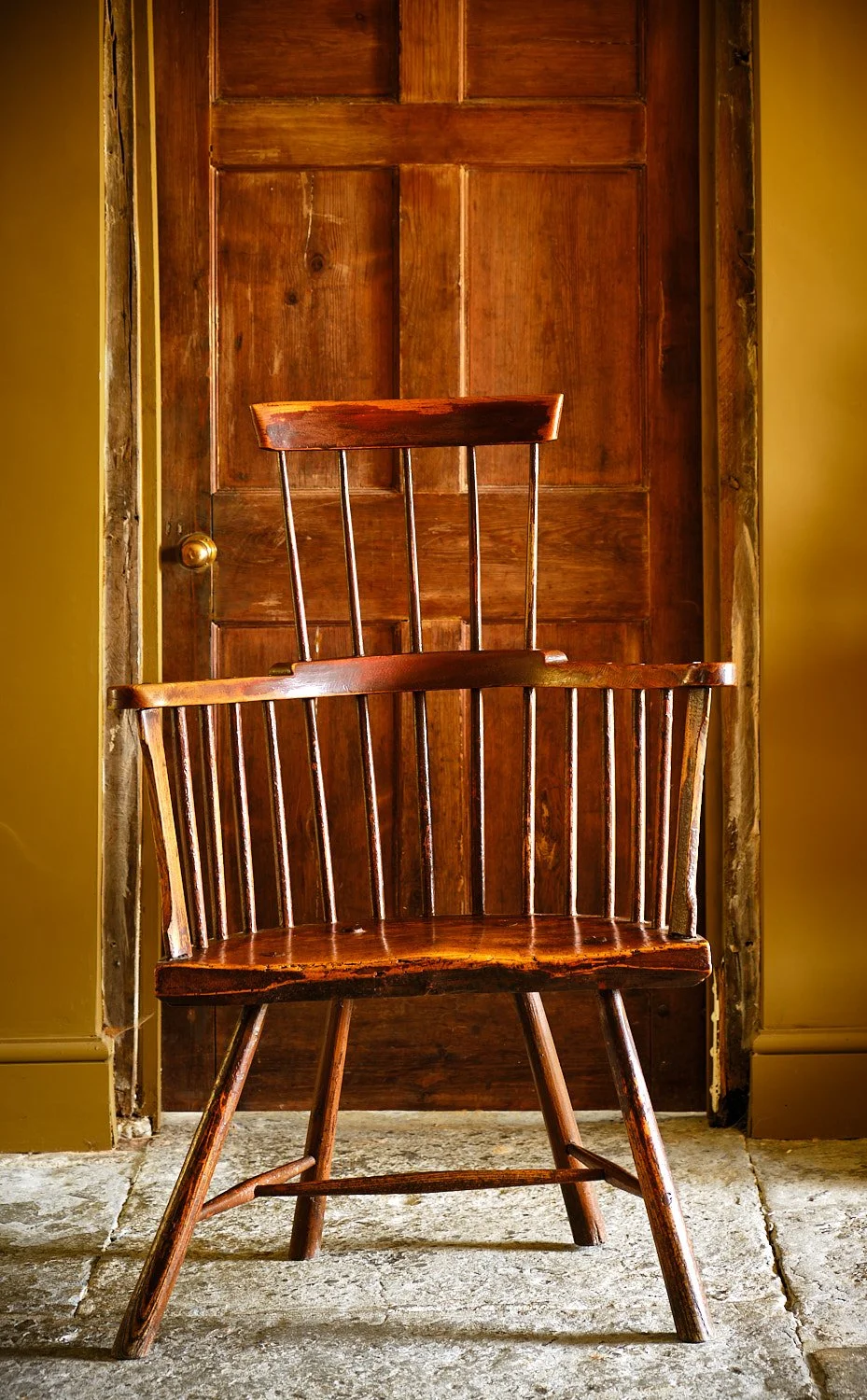 Image 1 of 21
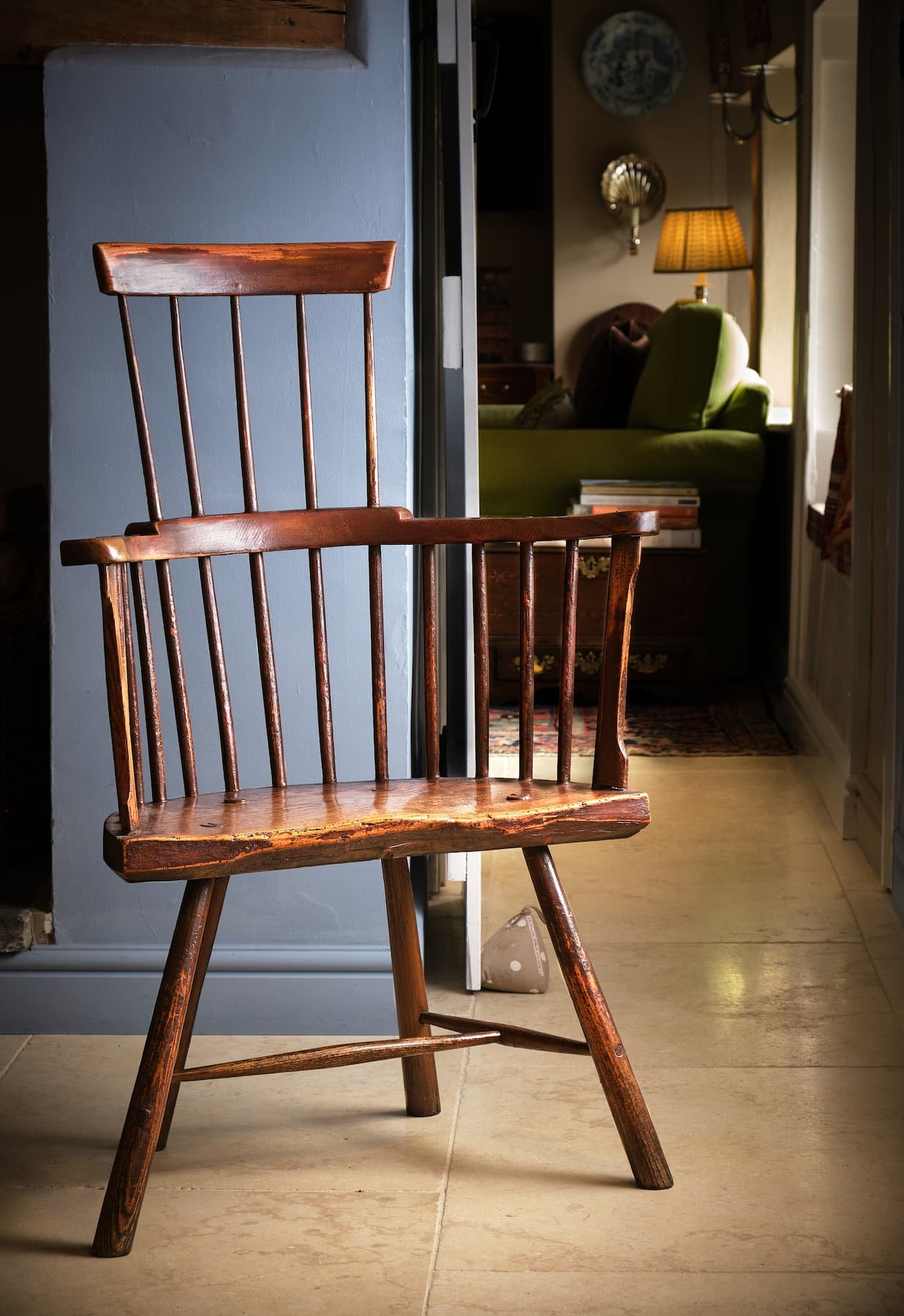 Image 2 of 21
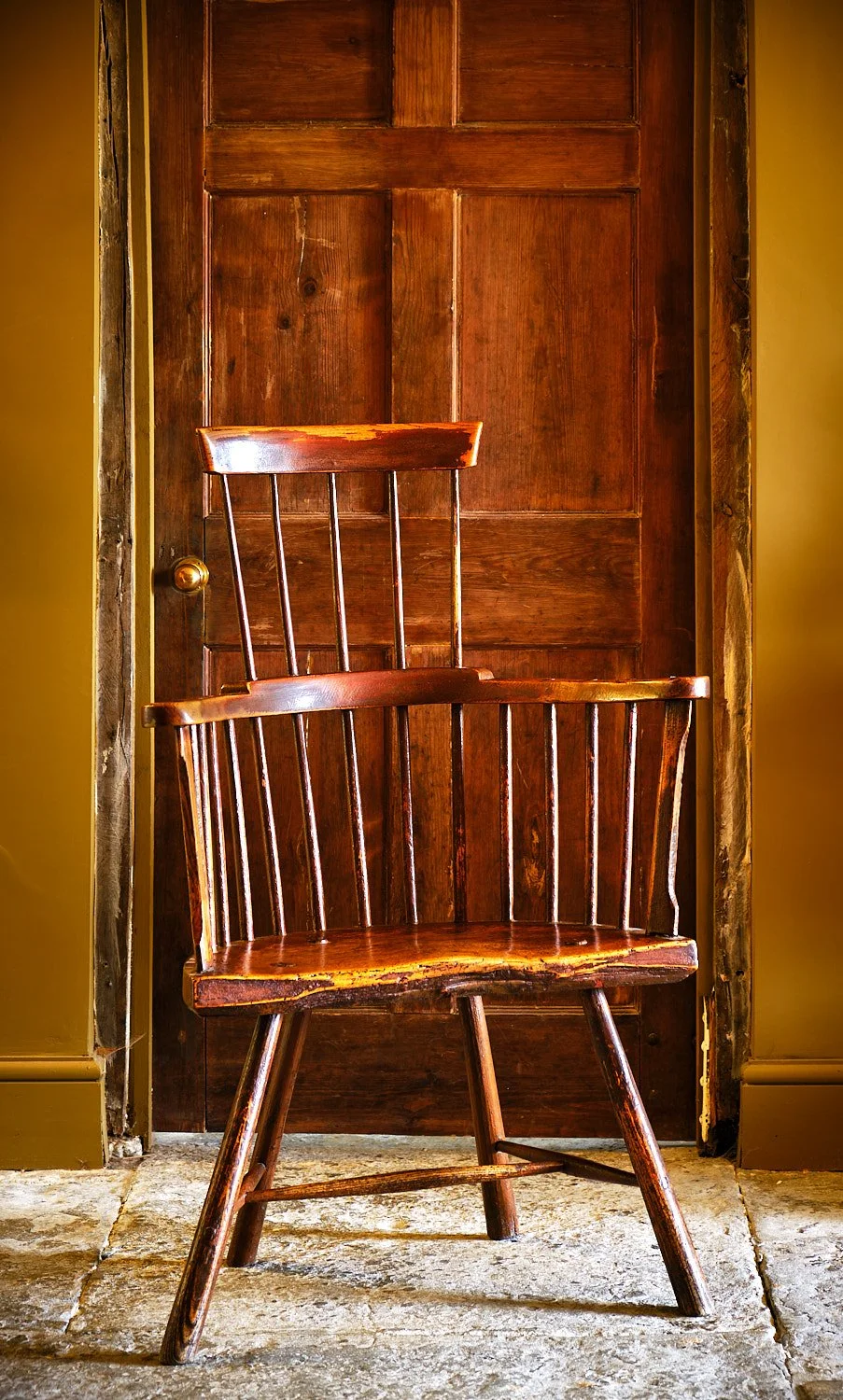 Image 3 of 21
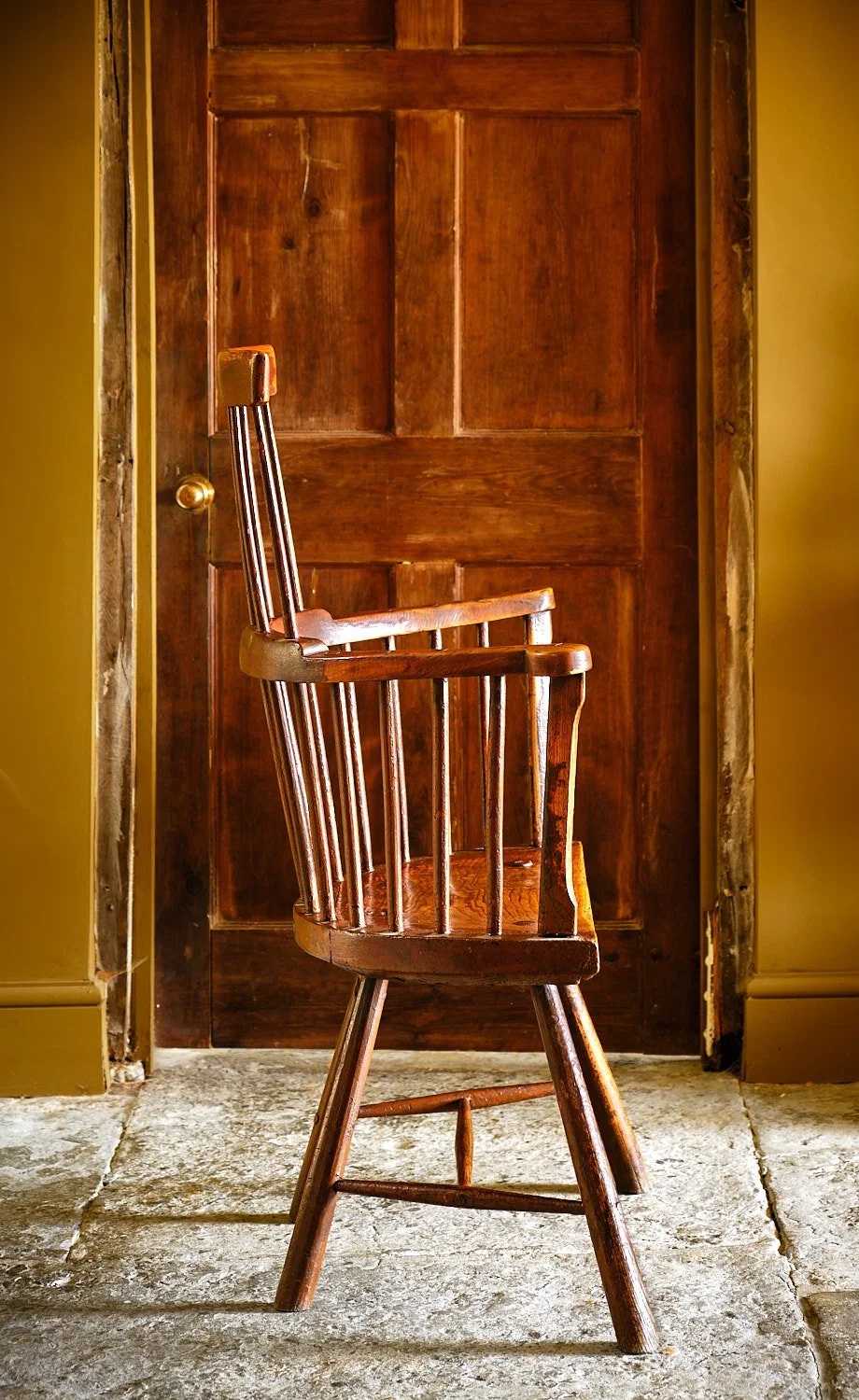 Image 4 of 21
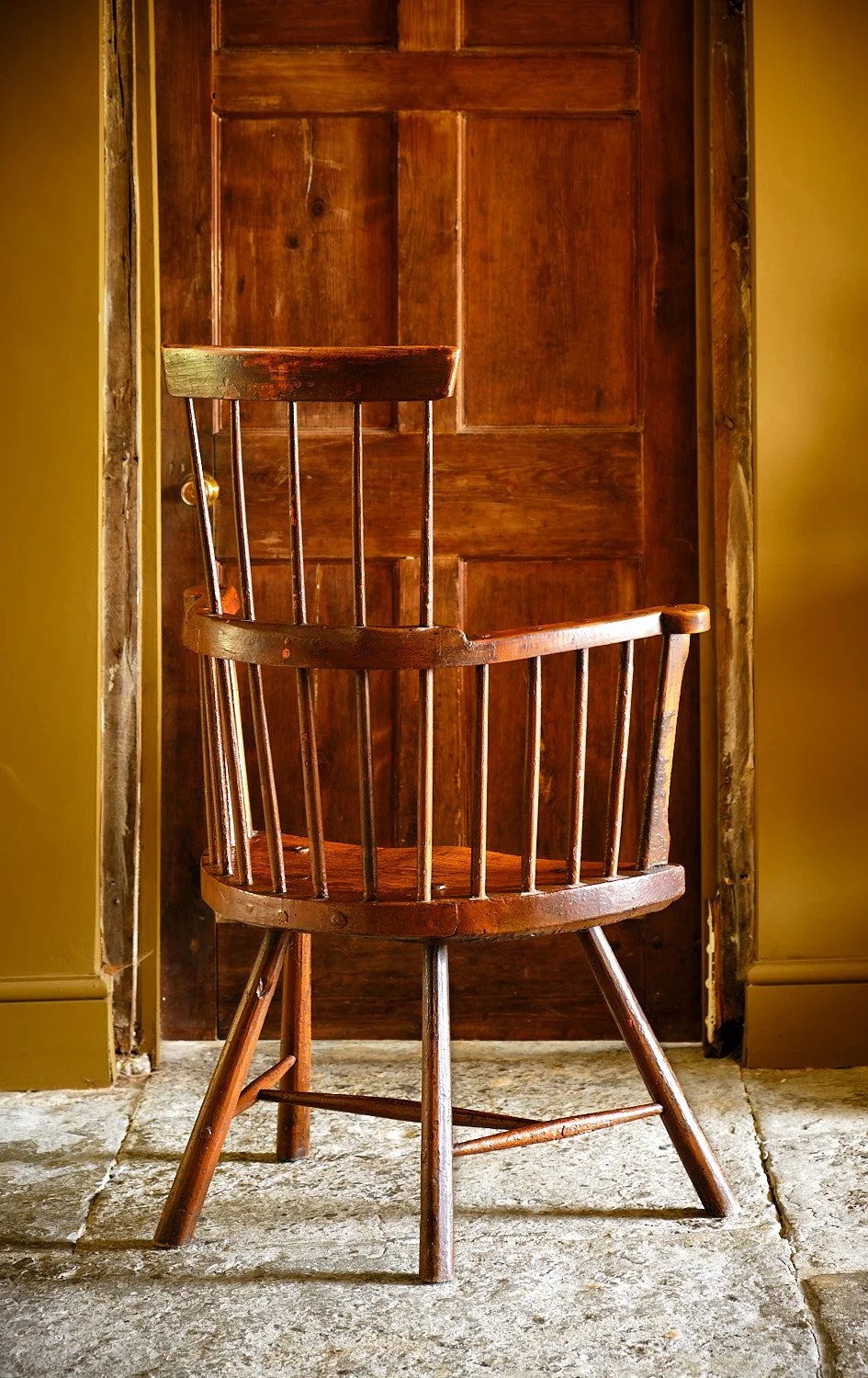 Image 5 of 21
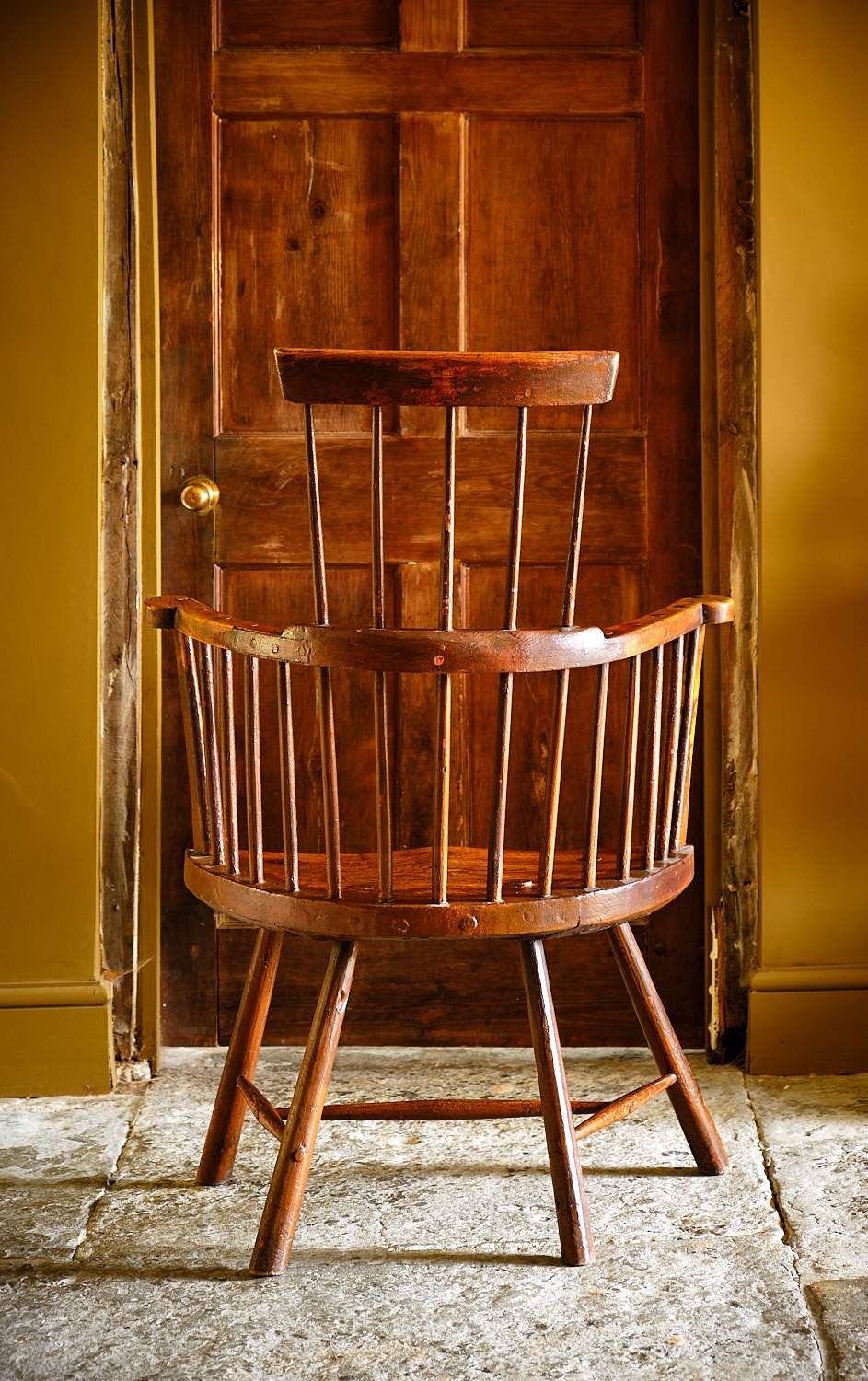 Image 6 of 21
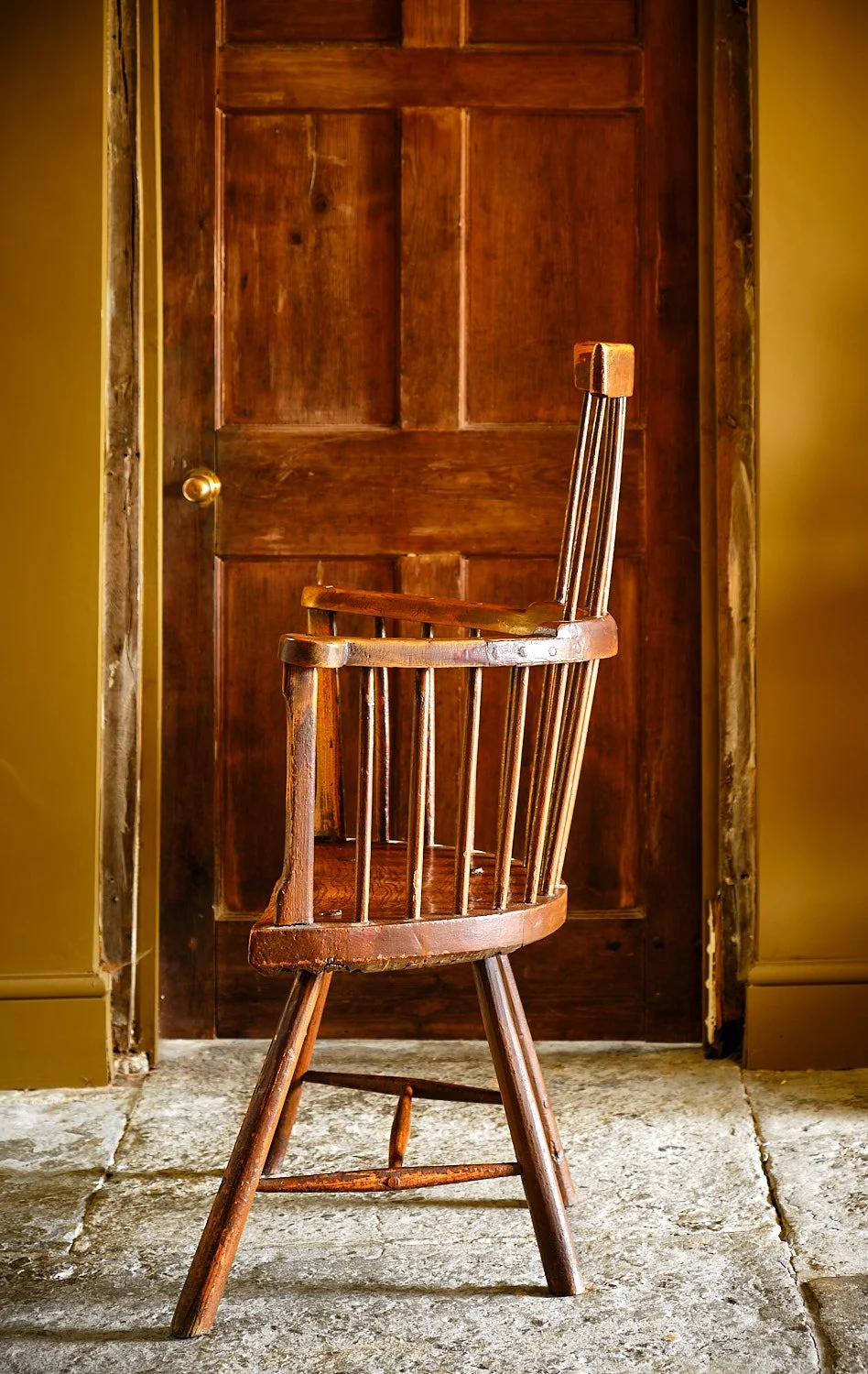 Image 7 of 21
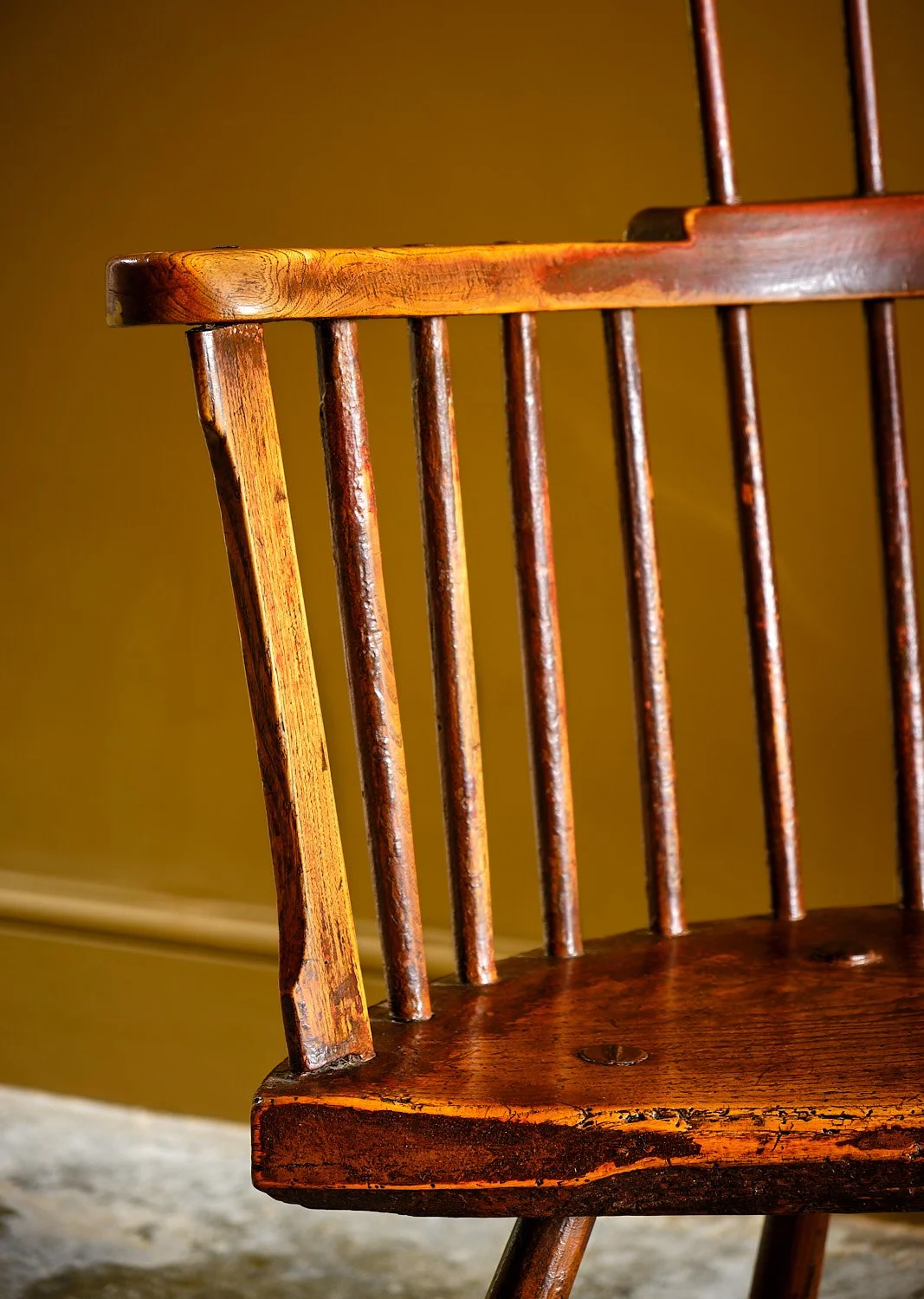 Image 8 of 21
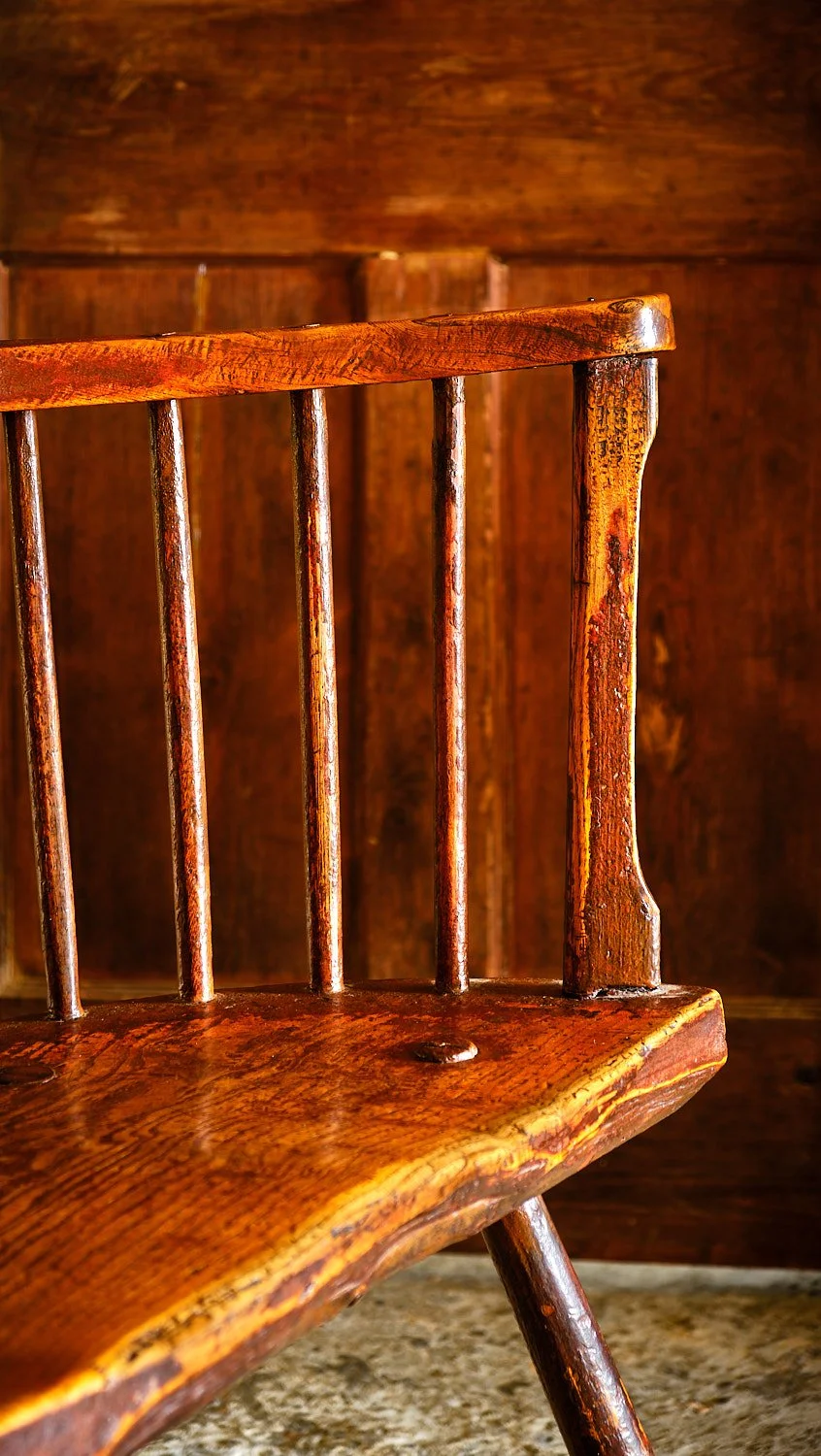 Image 9 of 21
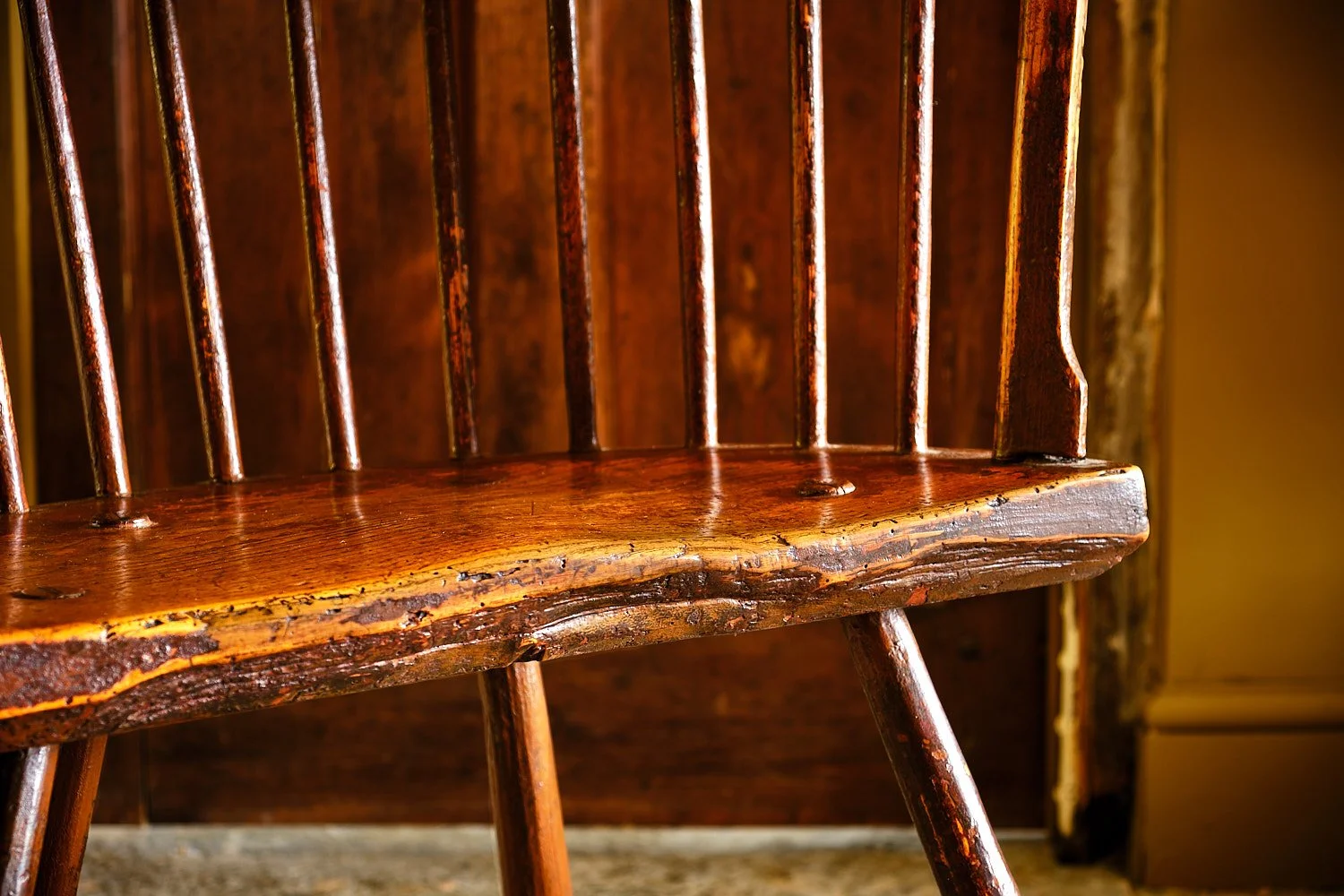 Image 10 of 21
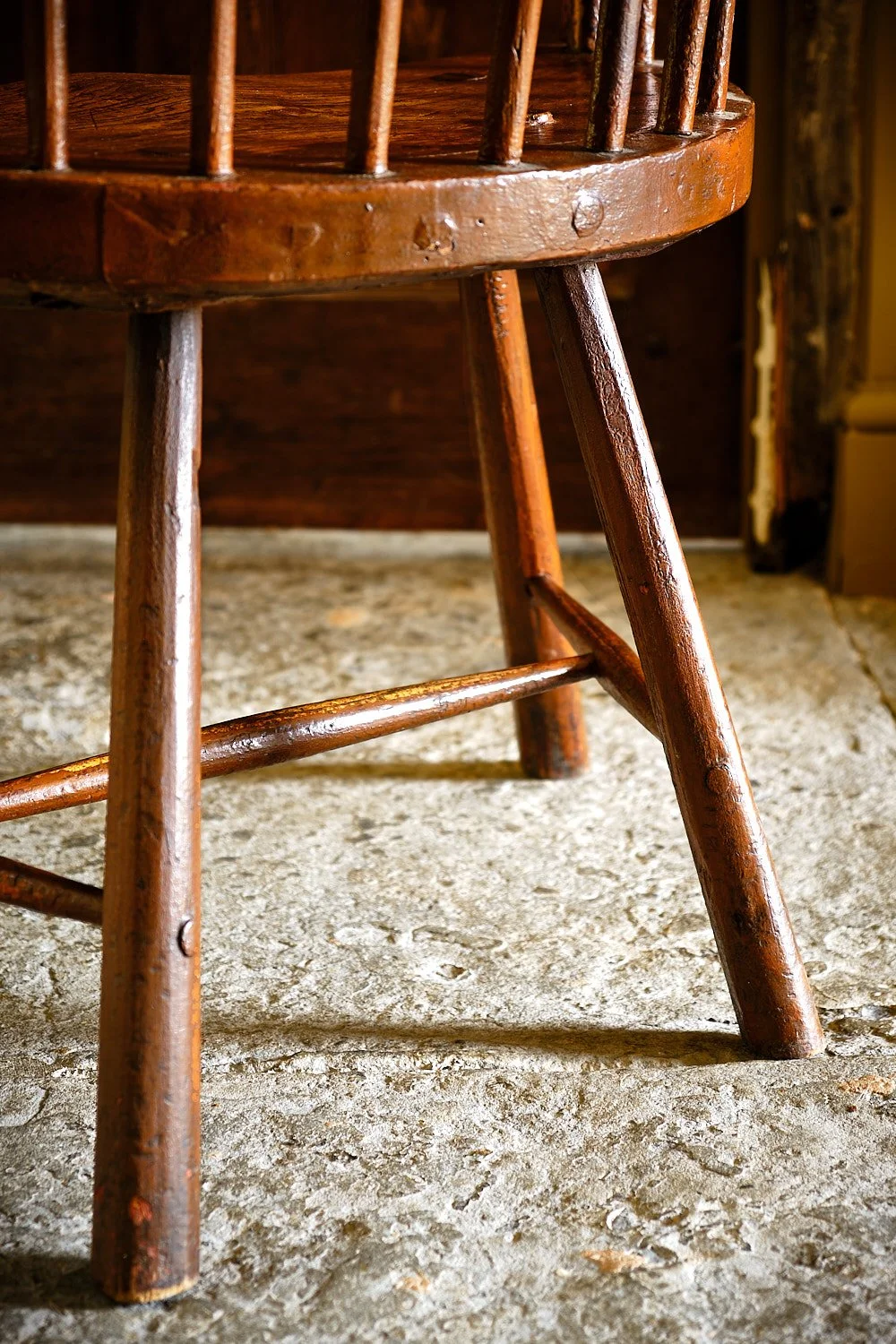 Image 11 of 21
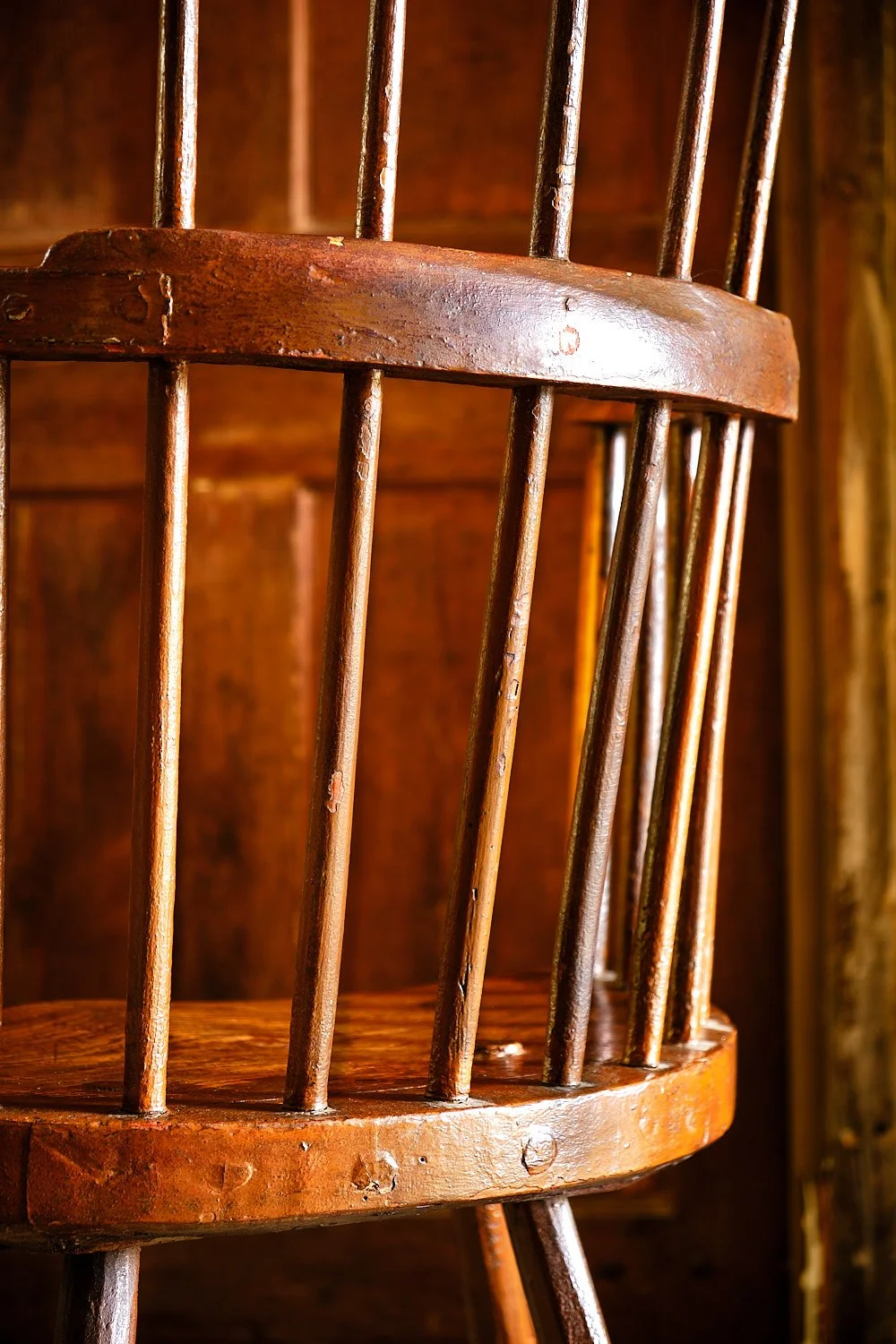 Image 12 of 21
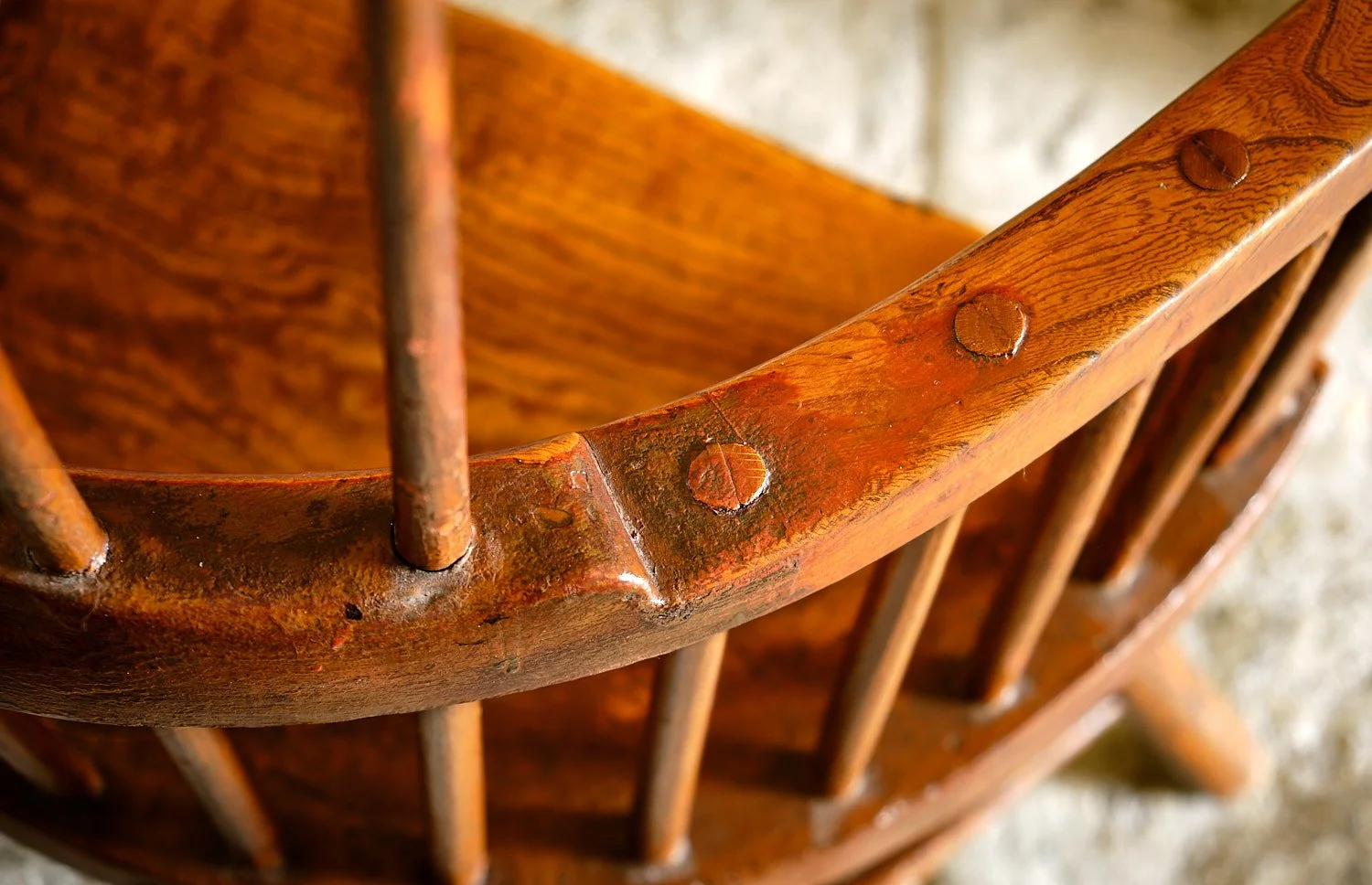 Image 13 of 21
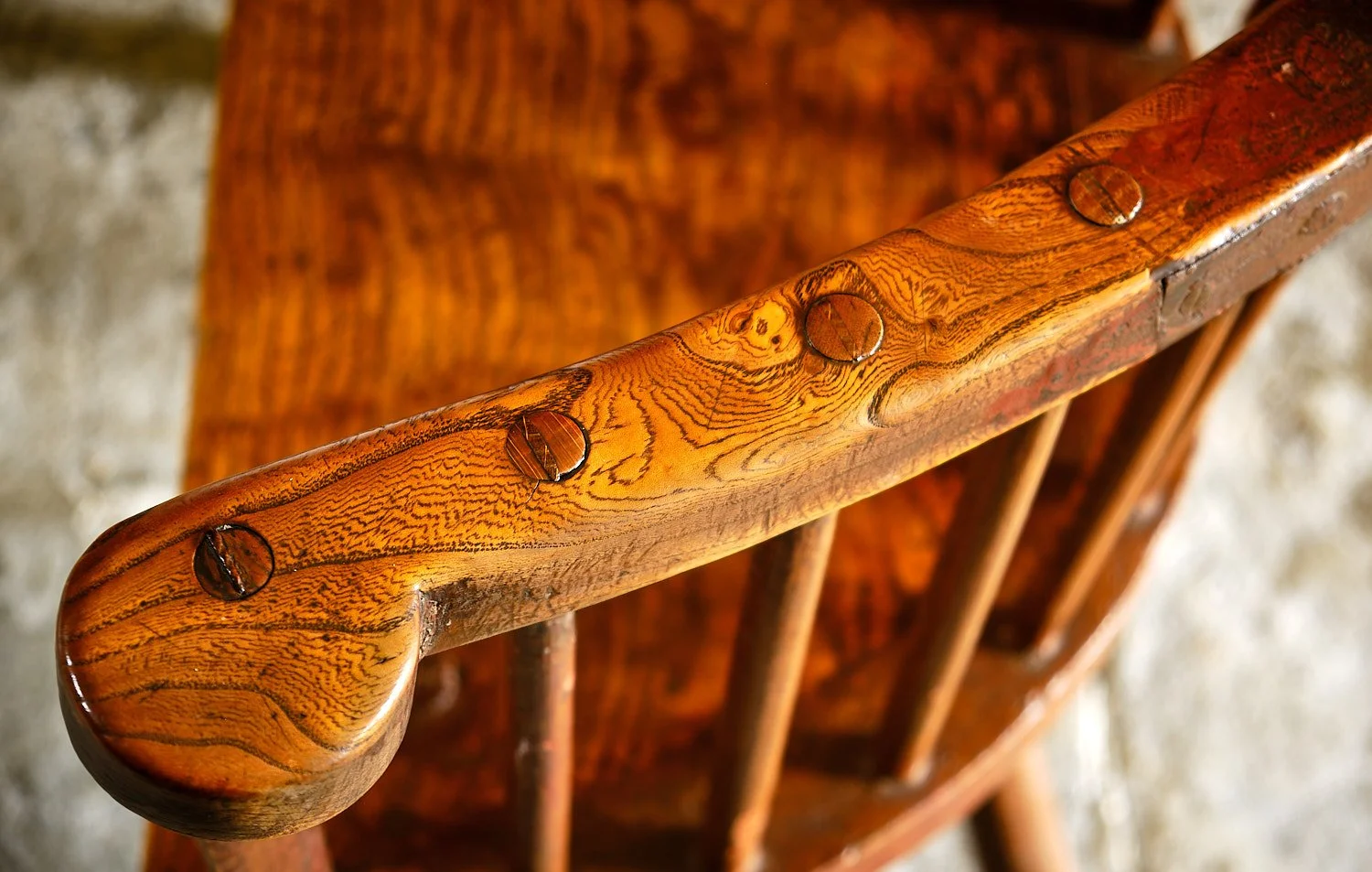 Image 14 of 21
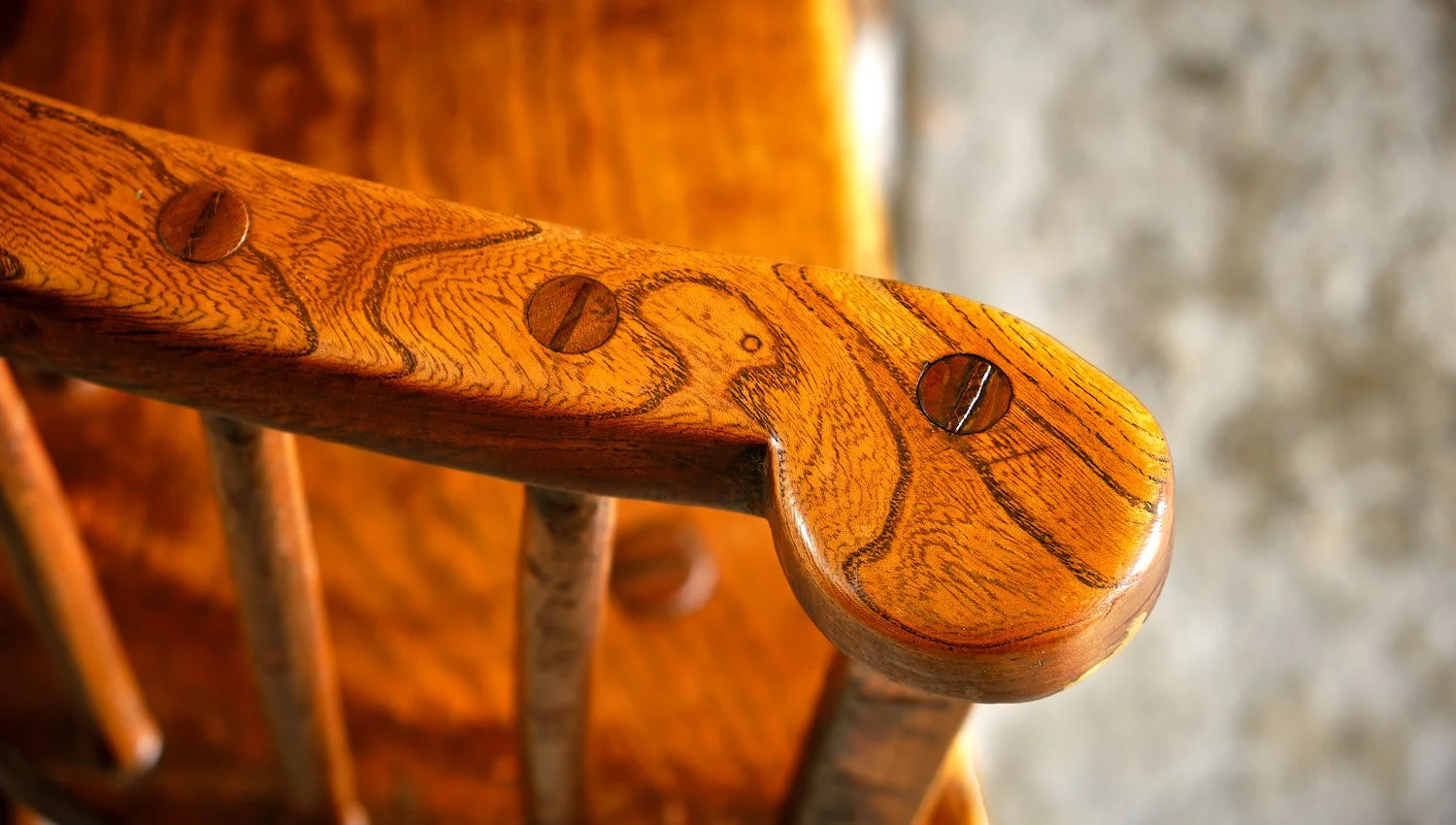 Image 15 of 21
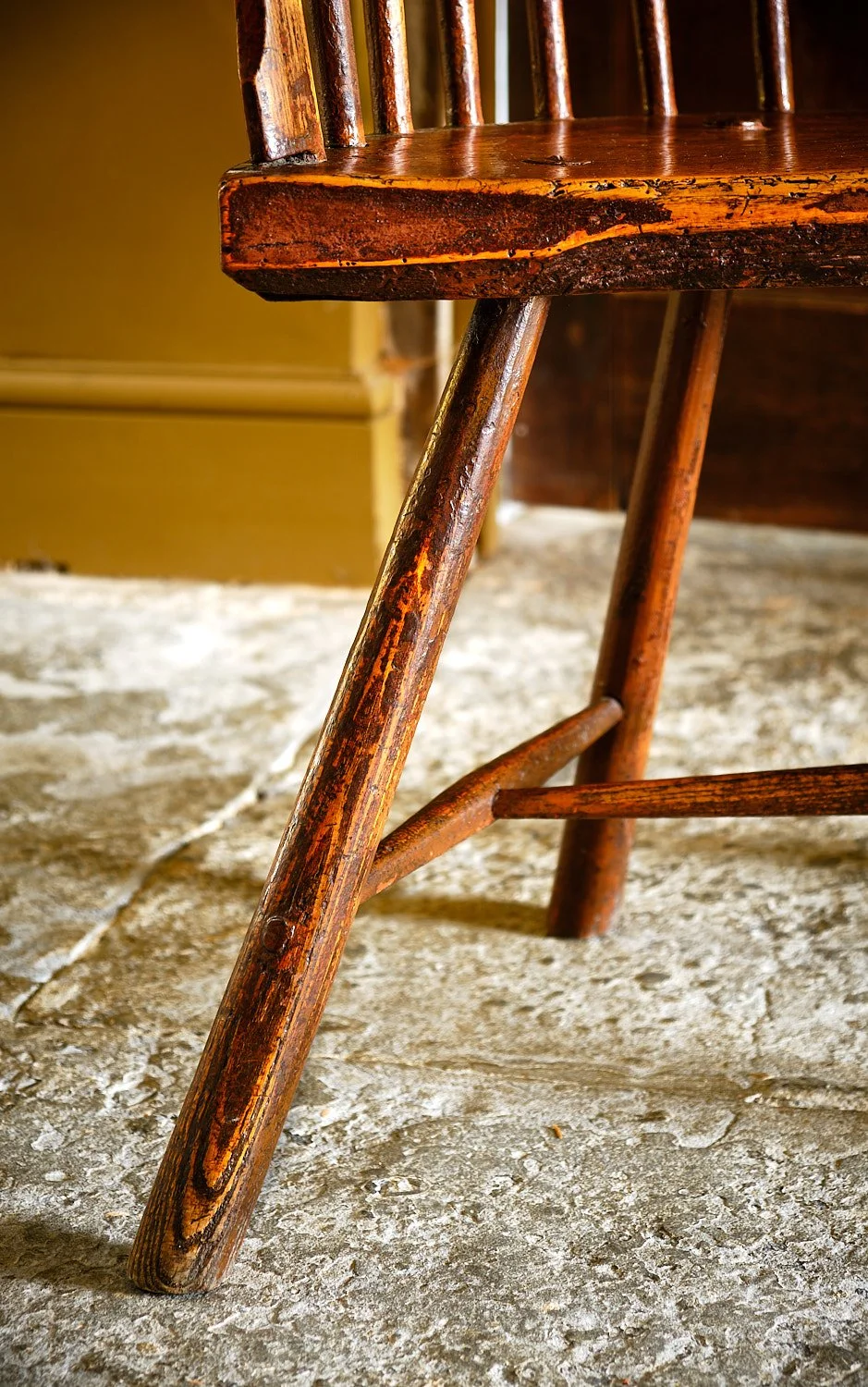 Image 16 of 21
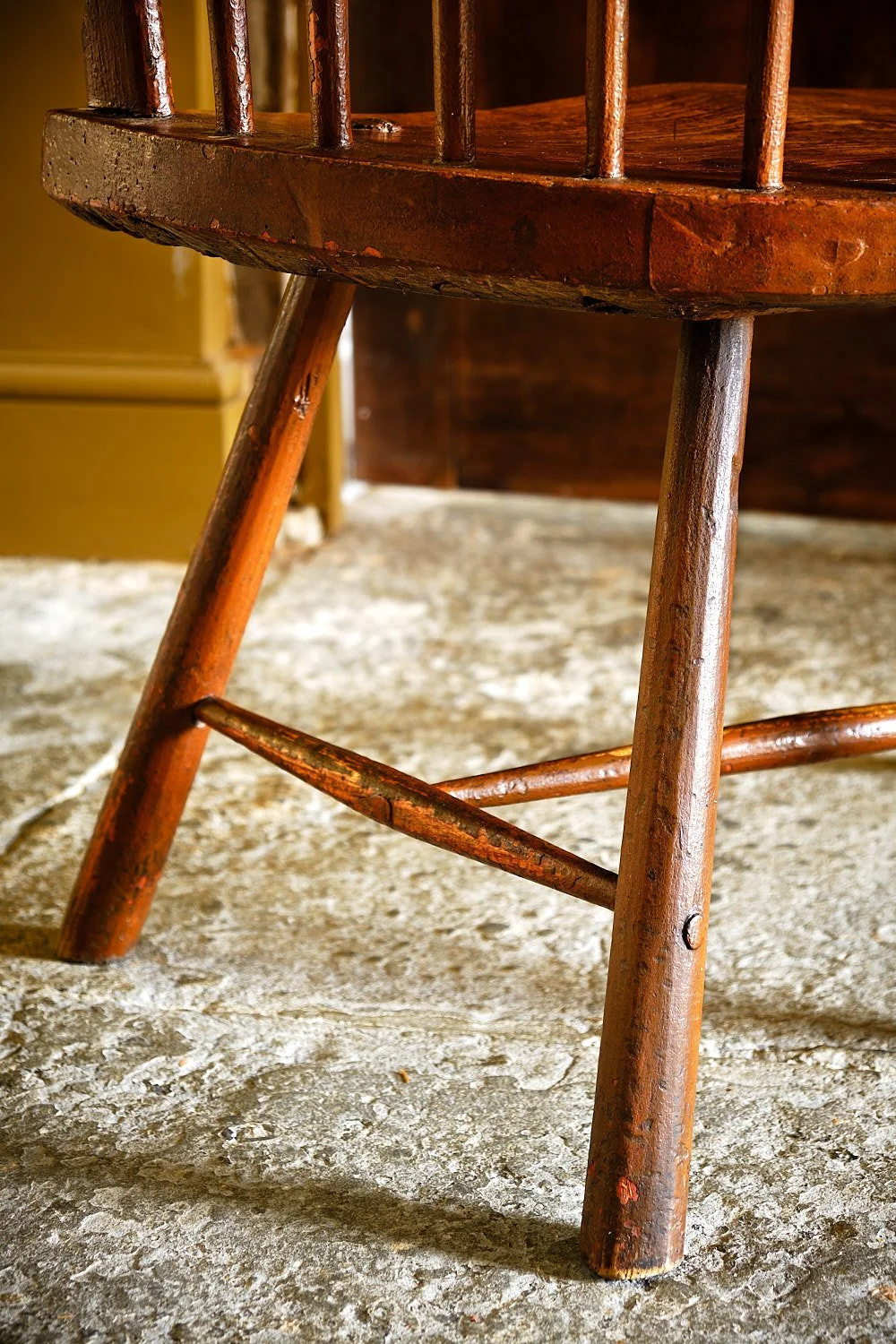 Image 17 of 21
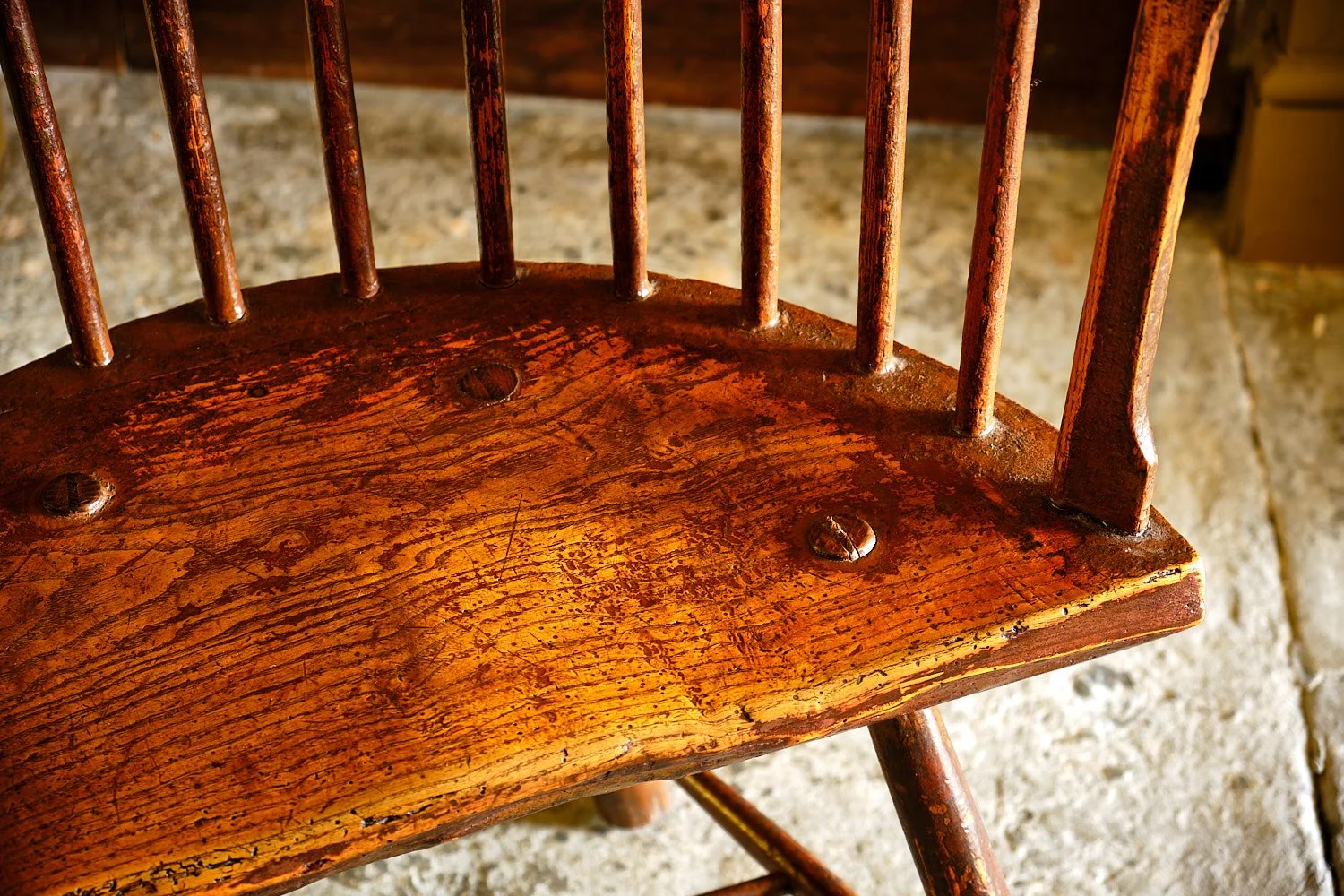 Image 18 of 21
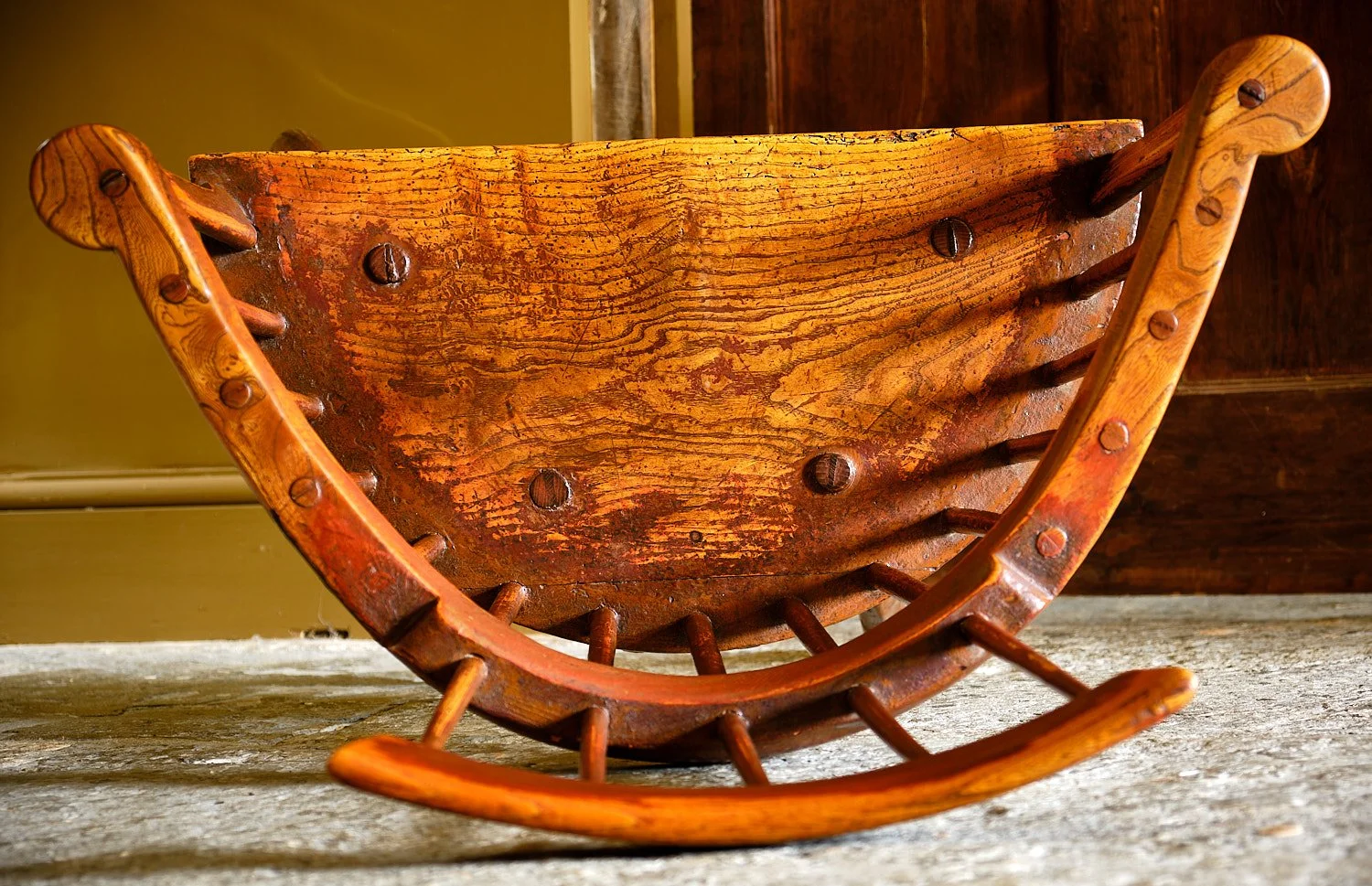 Image 19 of 21
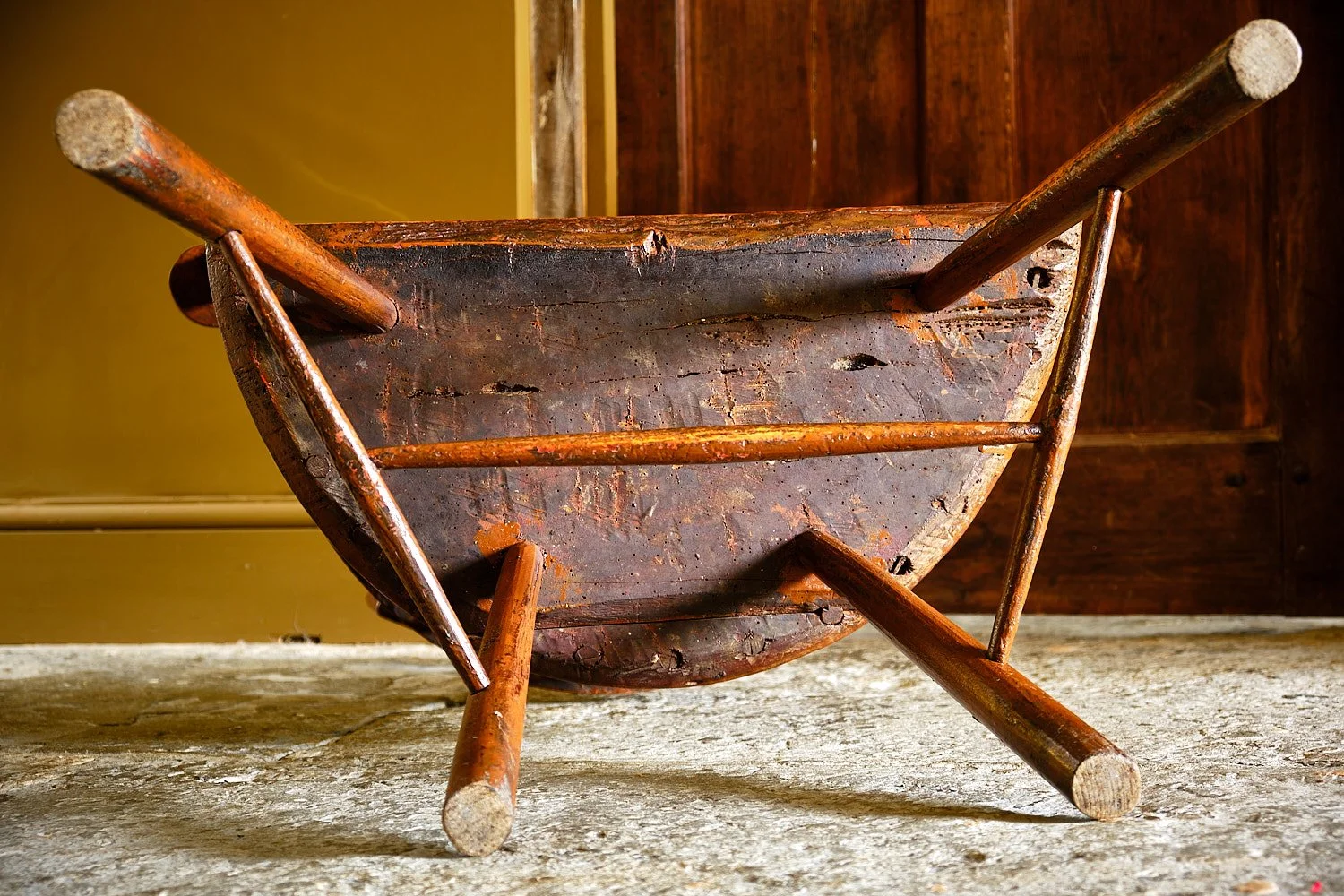 Image 20 of 21
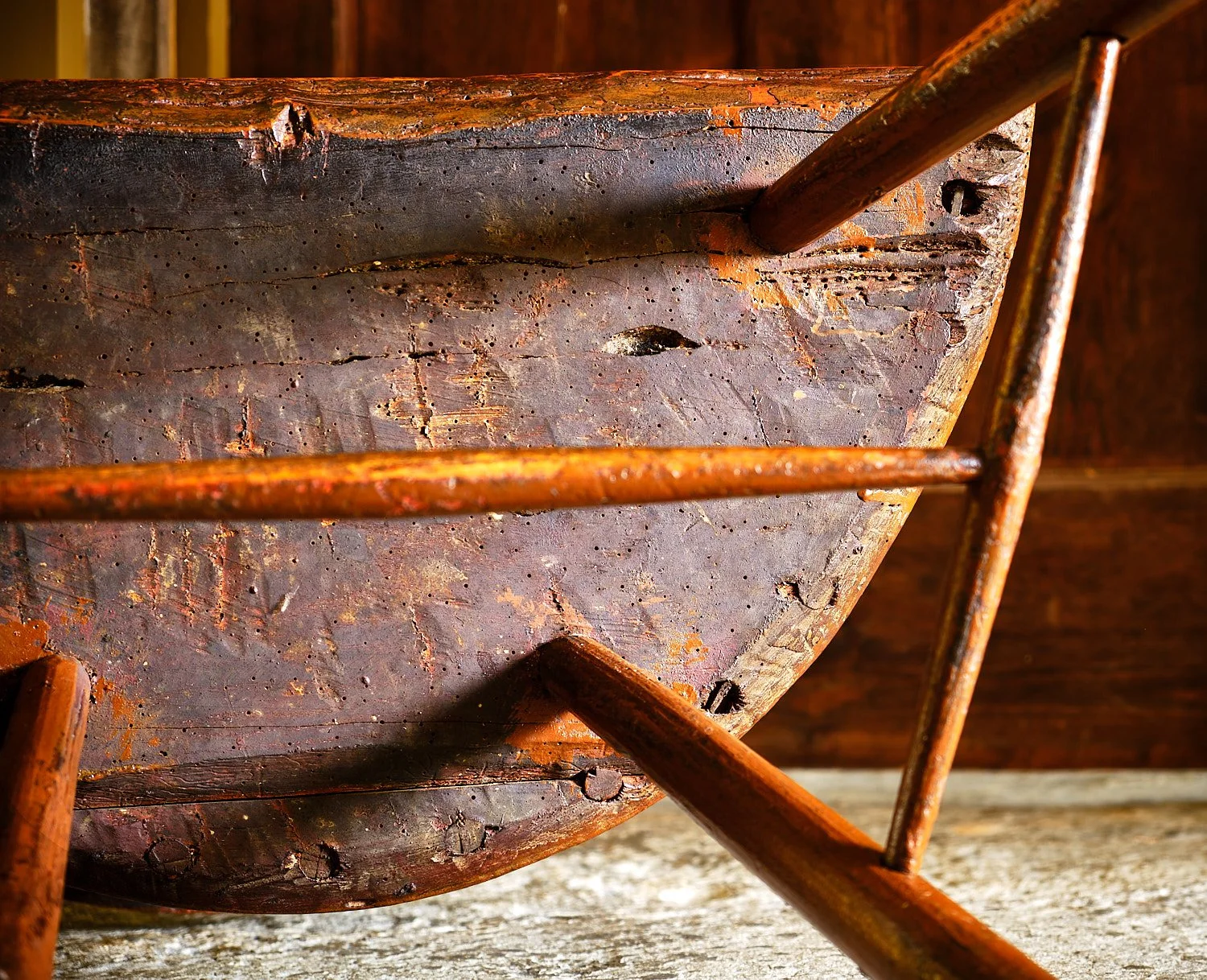 Image 21 of 21